_edited.jpg)
Essential Footwear and Injury Prevention for Young Athletes During Footy Season
- Brooke Stevenson

- Mar 29
- 4 min read
Footy season is an exciting time for kids and parents alike. But with the thrill of the game comes the risk of injuries, especially in young athletes whose bodies are still growing. One common issue I see in my osteopathic clinic is Severs disease, a painful condition that affects the heel and can sideline kids during the season. Understanding the right footwear and managing training loads can make a huge difference in preventing injuries like heel pain with running and kids and ankle pain. Here’s what every parent should know to keep their young footy stars on the field and enjoying the game.
Why Footwear Matters More Than You Think
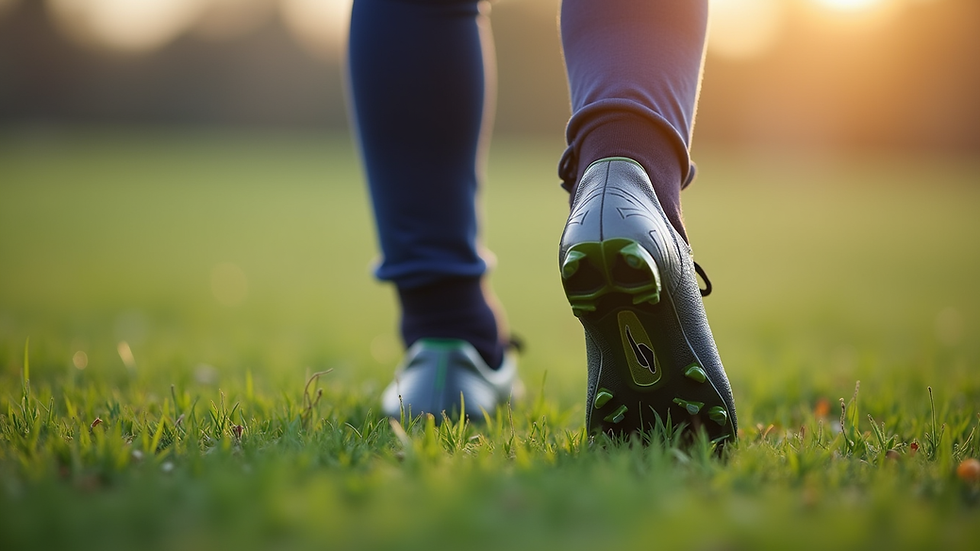
Choosing the right footwear is one of the simplest ways to protect your child’s feet and ankles during footy season. The wrong shoes can increase the risk of heel pain sport injuries and worsen conditions like Severs disease or achilles pain.
Support and Cushioning: Kids need boots that provide good heel cushioning to absorb impact. This helps reduce heel referred pain and prevents severe heel pain from becoming a chronic issue.
Proper Fit: Shoes that are too tight or too loose can cause blisters, instability, and increase the chance of kids and ankle pain.
Traction: Footy involves quick changes in direction. Boots with appropriate studs help prevent slips and falls, reducing strain on growing joints.
When shopping for boots, look for brands that offer models designed specifically for young athletes. Avoid hand-me-downs or adult boots, as they often don’t provide the right support or fit.
Understanding Severs Disease and Growing Pains
Severs disease is a common cause of heel pain in children aged 8 to 15, especially those active in running and jumping sports like footy. It occurs due to inflammation where the Achilles tendon attaches to the heel bone, a condition known as enthesopathy.
During growth spurts, the heel bone grows faster than the attached tendon, causing tension and pain. Kids often describe this as heel pain with running or discomfort that is better with rest heel pain. It can be mistaken for general growing pains, but unlike typical growing pains, Severs disease is linked to activity and worsens with load.
If your child complains of heel pain, it’s important to seek professional advice early. Ignoring symptoms can lead to longer recovery times and affect their enjoyment of sport.
Managing Load to Prevent Injury
One of the biggest challenges during footy season is balancing training and rest. Overloading young athletes can trigger or worsen conditions like Severs disease and achilles pain.
Monitor Training Intensity: Keep an eye on how much running and jumping your child is doing. Sudden increases in activity can overload their developing feet.
Scheduled Rest Days: Rest is crucial for recovery. Encourage your child to take breaks, especially if they report heel pain sport symptoms.
Cross-Training: Incorporate low-impact activities like swimming or cycling to maintain fitness without stressing the heel and ankle.
Warm-Up and Stretching: Proper warm-up routines help prepare muscles and tendons, reducing the risk of kids and ankle pain.
When to Seek Professional Help
If your child experiences persistent heel or ankle pain, consulting a specialist is essential. At our osteopathic clinic, we work closely with podiatrists and physiotherapists to provide a comprehensive approach.
Osteopathy focuses on improving joint mobility and reducing tension in muscles and tendons, which can relieve heel referred pain and improve function. We also can provide advice and rehab to support the strength of the surrounding muscles.
Podiatry can assess foot biomechanics and recommend orthotics or footwear modifications.
Physiotherapy helps with strengthening and rehabilitation exercises tailored to young athletes.
Early intervention can prevent minor issues from becoming serious injuries that keep your child off the field.

Practical Tips for Parents
Check footwear regularly for wear and fit, especially during growth spurts.
Encourage open communication with your child about any pain or discomfort.
Keep training loads steady and avoid sudden increases in intensity.
Schedule regular check-ups with healthcare professionals if your child is active in footy.
Educate your child on the importance of rest and recovery.
By taking these steps, you can help your child enjoy footy season while minimizing the risk of injuries related to heel pain sport and enthesopathy.
The Importance of Staying Informed
As a parent, staying informed about your child’s health is crucial. Understanding conditions like Severs disease can empower you to make better decisions regarding their care. Knowledge is a powerful tool that can help you advocate for your child’s needs.
Additionally, consider joining local community groups or forums focused on youth sports. These platforms can provide valuable insights and support from other parents facing similar challenges. Sharing experiences and tips can enhance your understanding and help you navigate the complexities of youth sports.
Encouraging a Positive Mindset
Encouraging a positive mindset in your child is essential. Remind them that setbacks, like injuries, are part of sports. Emphasize the importance of recovery and self-care. Help them understand that taking breaks and seeking help is a sign of strength, not weakness.
Celebrate their achievements, no matter how small. Whether it’s mastering a new skill or simply enjoying a game with friends, every step counts. A positive attitude can make a significant difference in their overall experience and resilience.
Conclusion
Footy season is a time of excitement and growth for young athletes. By prioritizing proper footwear, managing training loads, and seeking professional help when needed, you can support your child’s journey in sports. Remember, the goal is to keep them healthy and happy on the field.
For more information, see our foot and ankle pain page.


